:quality(80):format(webp))
:quality(80):format(webp))
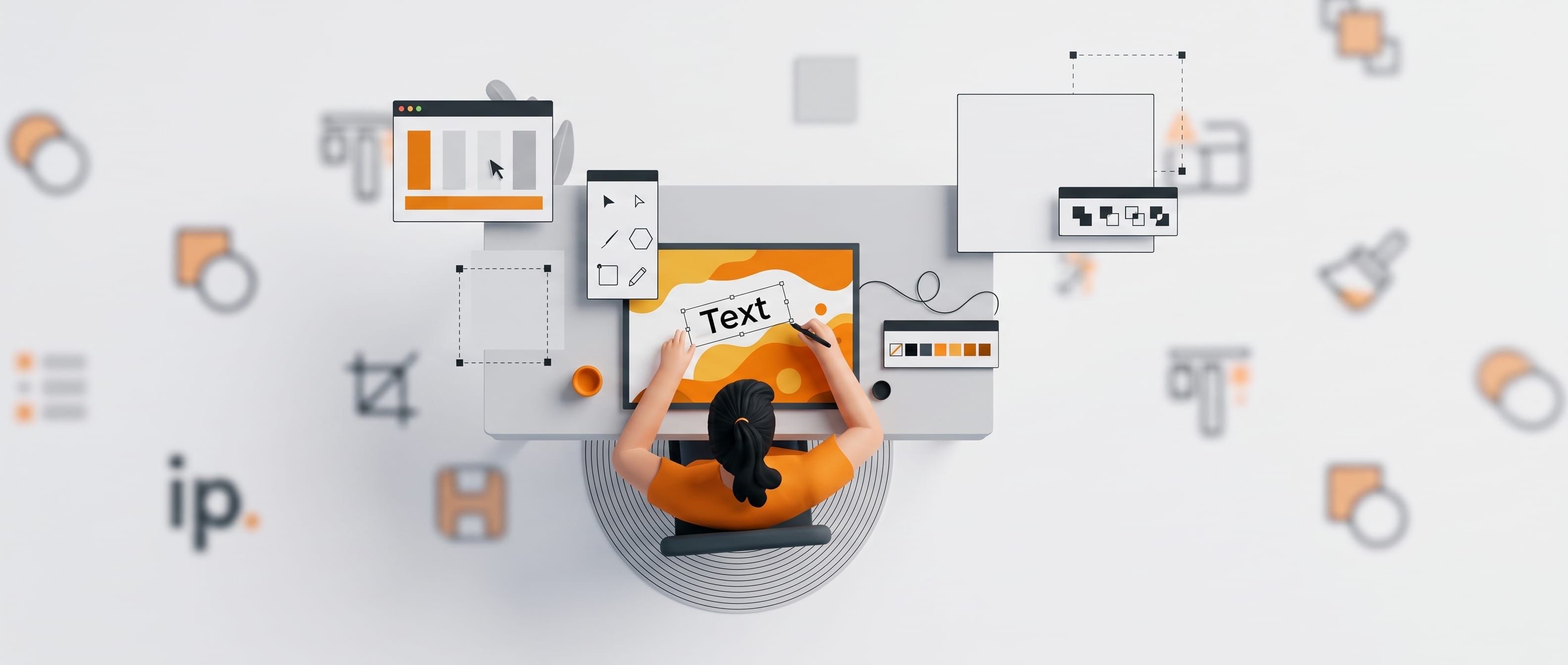
Do you want to become more design-savvy but don't know where to start? Learn how to do it with the following 5 tips! To do this, it is important and necessary to deal intensively with the topic. So too, if you want to understand why a design works(or not). You can incorporate this knowledge into your work and benefit in the long term from this ongoing increase in knowledge.
There are a few ways to recognize what constitutes a (good) design and how it can be identified.
We give you 5 tips on how you can build or expand your understanding of design.
1. Learn the principles of design
Design principles?Yes, there are! They were defined at the end of the 19th century. Their implementation began in the middle of the 20th century. HerRoots lie in behavioral psychology, because it influences how designs are perceived and accepted by users. For example, with the right design you can control how likely something is to be purchased or what the consumer perceives to be most important!
Good designs can also be created without the design principles, but if you take a closer look you will see that these principles were still unconsciously followed.
Memorizing the design principles will certainly take effort, but it doesIn the long term, it will help you gain a better understanding of design. Once you are familiar with the principles, the next step is to look at how they are used in the various types of design.
2. Analyze other people's designs
In order to gain a feel for design, it makes sense to consciously select designs and analyze them in detail.Break this down into its individual partsand use categories to inspect what you find successful about the design and why. You can do the same with designs that you don't like at all.
Question why the design makes you feel this way!Is it the colors, the arrangement, the fonts, etc.?
The next time you hold a book in your hands, for example, consciously take a few minutes and ask yourself the following questions:
/ How do I like this design overall?
/ How do I find the color palette used?
/ How do I like the typography? How is the readability/size of the font?
/ Do I like the overall arrangement and depending on why is that?
Also consciously deal with designs that you don't like at alland write down what bothers you. This allows you to filter out whether you don't like the design due to certain contradictions or whether it simply doesn't suit your taste. This will help you find out where your personal preferences go, which in turn will help youFind your own stylecan.
Another tip:Explicitly research the work of the best designers in a specific area to see what makes these creatives stand out from the majority and what impact these special features have!
3. Details make the difference – pay attention to them!
There are many good designs and yet only a few that really stand out– because they really surprise, overwhelm, impress or fascinate.
But what is the secret behind these special works?The details!And that doesn't necessarily mean playful elements or the like, but rather subtleties that are usually only noticed at the 3rd or 4th glance. But it is particularly worth taking a closer look,because detailed work has that certain something.Using the font at a certain size affects the design just as much as rounding the edges of a graphic - all of these little things affect the overall look of a design!
In the end, of course, the overall composition of a work provokes the reaction - but how does it come about in the first place?This is what needs to be found out, because this is exactly what makes the design lively and unique.
4. Put on designer glasses when looking at your environment
Our entire everyday life is shaped by design – intentionally and unintentionally. On the one hand, everything we use every day has been designed. Regardless of whether it is the outer packaging of food, cars, pens or even the couch in the living room at home –everything was designed by people.
But there are also an incredible number of elements that simply exist.Nature is a spectacle in itself and offers so many design inspirations!To promote your own creativity, it helps to look at things that are not “specially” designed. Natural elements such as leaves, snowflakes or even tree bark provide a completely new input in terms of shapes, structures, colors, etc.
Do you want to find out why certain designs work the way they do? Try to recreate them. Looking at things alone won't always help you, which is why practical discussion is an effective lever. This will make it clearer to you how things are structured and how they work.
Tip:Practicing observation helps sharpen your senses. Incorporate into your everyday life the practice of noticing things and asking yourself: How do I find this? What do I like about it and what don't I like about it?
5. Get inspiration from other niches
As is so often the case, breaking out of your own everyday life is usually the greatest source of inspiration.
Just immerse yourself in other worlds and see how design works there!
When creating a video, for example, it makes sense to watch videos of other people/companies that have already produced something similar. But it's not really a different world, even if the industries may be different. Of course that's not wrong, but does it really bring a breath of fresh air to your ideas?
In this case, let yourself be inspired by things like paintings, furniture, buildings or magazines!
At first it seems quite absurd and you might think to yourself: “What does this have to do with my business?” You're absolutely right - in the best case scenario, nothing at all! These things have completely different design elements, tones, textures, etc. that can inspire you to project these characteristics onto your work!
Exploring designs outside of your niche is definitely a challenge!But it's worth it, because even if they take place on completely different levels, you learn to appreciate design based on the principles - without the usual prejudices about what good design "should" look like. Over time, your eyes will open to this perception, which can be a constant source of inspiration in your everyday life!
With these 5 tips you can train your eyes to recognize and implement (good) designs - try them out!
Source:https://dribbble.com/resources/develop-design-eye

:quality(80):format(webp))
:quality(80):format(webp))
:quality(80):format(webp))
:quality(80):format(webp))